Let’s face it—getting paid in healthcare can feel like solving a Rubik’s cube blindfolded. You’ve got patients, providers, payers, paperwork, and a parade of regulations. One tiny misstep in the billing process, and suddenly you’re chasing down claims, dealing with denials, or trying to explain surprise bills to frustrated patients.
That’s where a revenue cycle servic e center comes into play.
If you’re thinking, “Great, another administrative buzzword,” stick with me. Because this isn’t just about back-office processes—it’s about giving your team room to breathe, helping patients get clarity, and making sure your practice doesn’t leak revenue due to chaos or confusion.
Let’s unpack what a revenue cycle service center really is, why it matters, and how it connects to the bigger picture of improving revenue cycle management across your organization.
So What Exactly Is a Revenue Cycle Service Center?
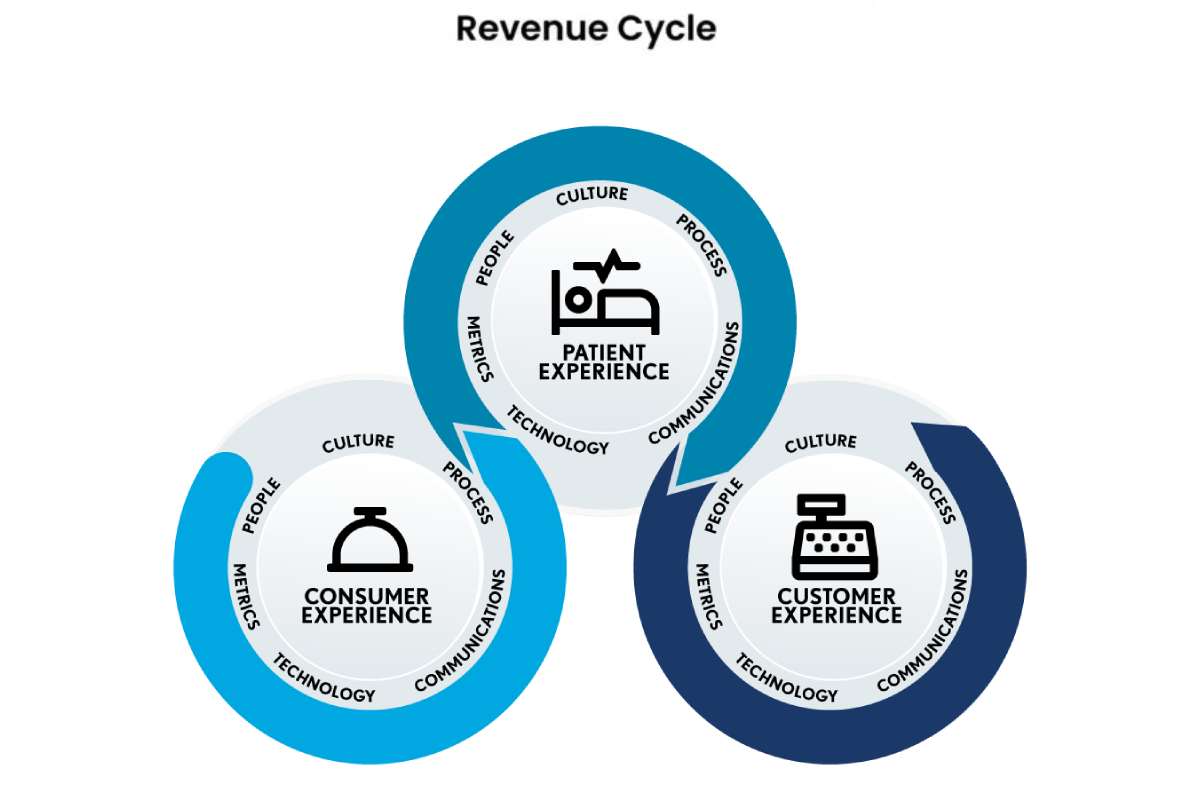
At its core, a revenue cycle service center is a centralized team (or department) that handles the full financial journey of a patient’s visit. That means everything from:
- Verifying insurance
- Getting prior authorizations
- Capturing charges and applying the right codes
- Submitting claims
- Following up on payments (or denials)
- Sending patient statements
- Managing collections
Instead of having different teams or offices doing things their own way, a service center creates consistency, clarity, and accountability. Think of it as the traffic control tower for your practice’s finances—it sees everything from a higher level and keeps everything moving.
Why Do Practices Need One?
The short answer? Because the system is messy.
Healthcare billing today is more complicated than ever. You’ve got:
- Frequent changes in payer rules
- Higher patient deductibles
- Increased documentation demands
- Burned-out staff juggling too many tasks
- Multiple software systems that don’t always talk to each other
If your billing is scattered across departments or locations—or if you rely heavily on manual processes—you’re probably leaving money on the table.
A revenue cycle service center brings all of that under one roof, where things can be tracked, improved, and scaled.
The Real-World Benefits (That Your Team Will Actually Feel)
Let’s cut through the buzzwords. Here’s what actually gets better when you centralize your revenue operations:
1. Fewer Errors, Faster Claims
When billing teams follow the same workflows, they’re less likely to make mistakes. That means cleaner claims going out the door, and faster payments coming back in.
2. Better Denial Management
Instead of scattered follow-up, your team can track patterns. Why did this claim get denied? Is it a coding issue? Is one payer being particularly picky? When you centralize, you can spot those trends and fix them at the source.
3. Staff Burnout Goes Down
When roles are clearly defined and people aren’t constantly jumping between tasks, morale improves. Your team has the time and structure to do things right the first time.
4. Patients Have a Better Experience
No one likes getting a confusing bill—or waiting on hold while someone transfers them between departments. A revenue cycle service center gives patients one point of contact for billing questions, estimates, or payment plans.
5. Leadership Gets Better Visibility
Executives and managers can access real-time reports on A/R, denial rates, collection performance, and more. That makes it easier to make smart decisions instead of playing catch-up.
Is This Just for Big Hospital Systems?
Not at all.
Sure, larger systems are the ones who’ve been doing this the longest. But even mid-sized practices and growing physician groups are starting to build their own versions of service centers—whether in-house or through outside partners.
If your organization has:
- More than one location
- A high volume of claims
- A billing team stretched too thin
- Inconsistent collections or denial issues
Then this model might be worth exploring.
Even just centralizing a few key tasks—like insurance verification or denial follow-up—can make a huge difference in how well your revenue cycle flows.
What About the Challenges?
Let’s be real: this isn’t a flip-the-switch kind of change. Shifting to a centralized model takes time, planning, and buy-in from leadership. You’ll need:
- A clear rollout strategy
- Strong training and documentation
- Systems that integrate across departments
- Leadership willing to address resistance and answer the “why”
But once it’s in place? The payoff can be huge.
Wrapping It Up
Healthcare is tough enough without having to worry about whether you’ll actually get paid for the care you provide. A revenue cycle service center is about making sure all the behind-the-scenes work—the coding, the billing, the collections—isn’t left to chance or patchwork systems.
When done right, it turns your revenue cycle from a stress point into a strength. It supports your team, serves your patients, and helps your practice grow with confidence.
Because in today’s world, solid revenue cycle management isn’t just nice to have—it’s the backbone of sustainable, quality care.