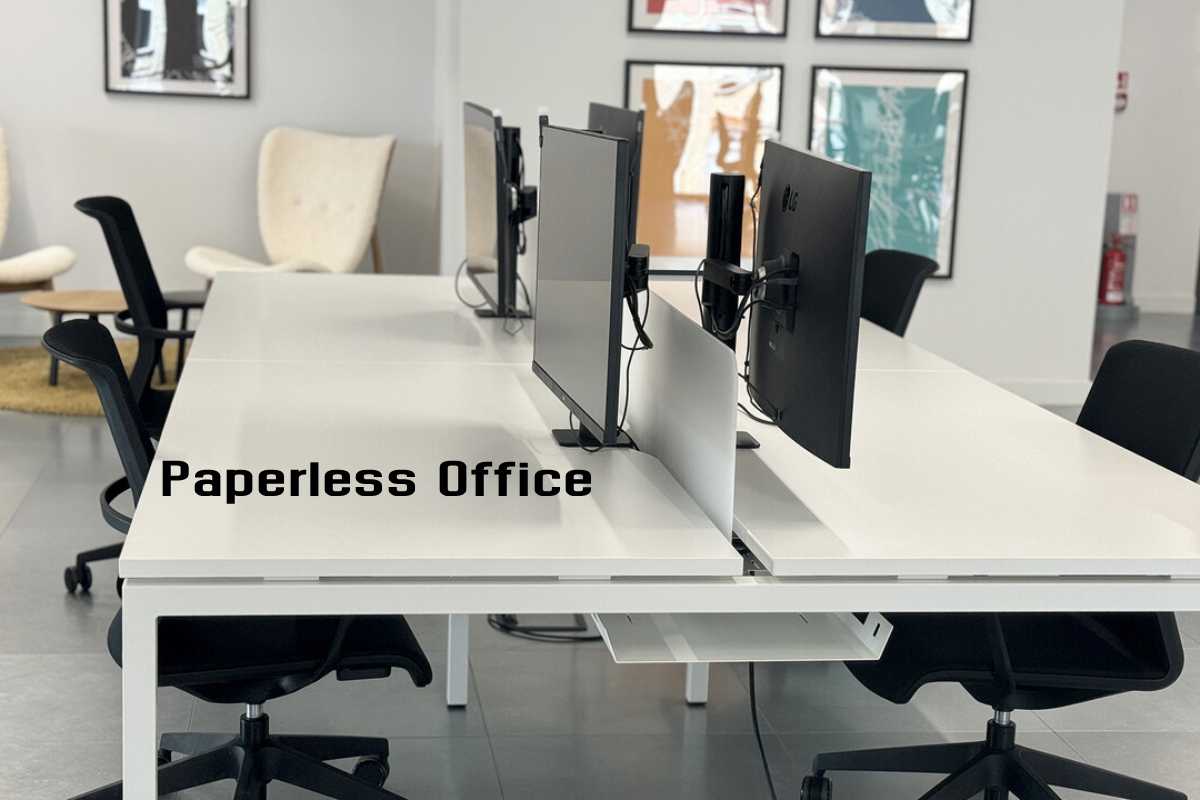
The Evolution of the Modern Workspace
The concept of a paperless office has been discussed in corporate boardrooms for decades, yet many organizations still find themselves buried under stacks of physical documents. The transition to a digital environment is rarely achieved through a single, massive overhaul. Instead, it happens through strategic shifts in specific departments that handle the highest volume of physical media. For most businesses, the accounting department is the primary source of paper influx, specifically through accounts payable.
Invoices arrive via traditional mail, as email attachments that are eventually printed, or even as hand delivered receipts. This constant stream of paper creates a bottleneck that slows down the entire organization. By focusing on the point of entry, companies can stop the paper trail before it spreads throughout the office. Shifting toward a digital first mindset requires a fundamental change in how data is ingested, and this is where the journey toward a truly modern workspace begins.
Defining Automated Invoice Capture in the Digital Age
Automated invoice capture is a technology driven process that uses optical character recognition and artificial intelligence to extract data from invoices without human intervention. It is not merely a way to scan documents into a computer. Rather, it is a sophisticated system that understands the context of the information it reads. It identifies the vendor name, the total amount due, tax details, line items, and due dates with high precision.
This technology serves as the gateway to the paperless office. When an invoice is captured automatically, it is immediately converted into a digital asset that can be tracked, searched, and archived. This eliminates the need for physical filing cabinets and the manual labor associated with organizing paper records. By implementing a solution like Yooz, businesses can leverage cloud based capture that handles various formats, ensuring that whether an invoice starts as paper or a PDF, it ends up as structured data in the financial system.
Breaking the Paper Cycle at the Source
The primary reason many paperless initiatives fail is that they focus on storage rather than capture. Organizations often scan documents after they have already been processed manually, which simply adds an extra step to an already inefficient workflow. To achieve a true paperless state, the capture must happen at the very beginning of the document lifecycle.
When automated capture is the first step, the physical paper can be recycled or destroyed almost immediately after it is digitized. There is no need for the invoice to travel from desk to desk for approvals. Digital workflows take over, routing the information to the correct stakeholders based on predefined business rules. This shift reduces the physical footprint of the finance department and ensures that no document is ever lost in a pile of mail or left sitting on an empty desk.
How Yooz Transforms Data Extraction and Validation
Modern financial technology has moved far beyond simple scanning. Advanced platforms utilize machine learning to improve their accuracy over time. When a system encounters a new invoice format, it learns where the key data points are located. This means the more you use the system, the more efficient it becomes.
A platform like Yooz provides the necessary infrastructure to handle complex data extraction requirements. It does more than just read text; it validates the information against existing purchase orders and vendor records. This automated verification ensures that the data entering your accounting software is accurate and legitimate. By placing this level of intelligence at the start of your workflow, you create a robust foundation for a paperless environment where manual data entry becomes a relic of the past.
The Economic Impact of Eliminating Manual Entry
The financial burden of manual invoice processing is often underestimated. Industry benchmarks suggest that processing a single paper invoice manually can cost a company anywhere from fifteen to twenty five dollars when considering labor, materials, and postage. When you multiply this by hundreds or thousands of invoices per month, the cost is staggering.
Automated invoice capture drastically reduces these costs by cutting the time spent on data entry by up to eighty percent. Employees who previously spent their days typing numbers into a spreadsheet can now focus on higher value tasks, such as financial analysis or strategic planning. Furthermore, the speed of automated capture allows businesses to take advantage of early payment discounts offered by vendors, which can result in significant annual savings that directly impact the bottom line.
Strengthening Security and Compliance through Digitization
Security is a major concern for any organization moving away from physical records. Paper documents are inherently insecure; they can be easily misplaced, damaged by fire or water, or accessed by unauthorized individuals. Digital documents, when managed through a secure capture platform, offer much greater protection.
- Encryption ensures that sensitive financial data is protected during transmission and at rest.
- Audit trails provide a complete history of who accessed a document and what changes were made.
- Role based permissions limit access to sensitive information to only those who need it.
- Redundant cloud storage protects against data loss due to local hardware failures.
By adopting automated invoice capture, companies ensure that they are compliant with tax regulations and industry standards. Digital records are much easier to produce during an audit, saving weeks of preparation time and reducing the risk of non compliance penalties.
Enhancing Vendor Relationships with Real Time Processing
The benefits of a paperless office extend beyond the internal walls of the company. Vendors and suppliers also benefit when a business automates its invoice capture. One of the biggest friction points in business relationships is the lack of transparency regarding payment status. When a vendor calls to ask about an invoice, a manual system requires a staff member to physically hunt for the document.
With an automated system, the status of every invoice is visible in real time. Many automated capture solutions include vendor portals where suppliers can upload their invoices and check payment status themselves. This transparency builds trust and can lead to better negotiation terms in the future. Implementing Yooz allows for a seamless communication channel between the finance team and its suppliers, reducing the volume of inquiry emails and phone calls that clutter the workday.
Integrating AP Automation into Your Broader Digital Strategy
Automated invoice capture should not exist in a vacuum. It is most effective when it serves as the catalyst for broader digital transformation. Once the finance department has successfully eliminated paper, other departments often follow suit. The data captured from invoices can be integrated with Enterprise Resource Planning systems and Business Intelligence tools to provide a holistic view of company spending.
- Procurement departments can use captured data to monitor vendor performance and pricing trends.
- Executive leadership can access real time dashboards to see cash flow projections without waiting for month end reports.
- IT departments can reduce the overhead of maintaining physical servers by moving to cloud based document management.
This interconnectedness is what makes the paperless office a reality. It starts with the invoice, but it ends with a fully synchronized digital ecosystem where information flows freely and accurately across the entire organization.
Scaling Operations Without Increasing Headcount
As a business grows, the volume of invoices naturally increases. In a traditional paper based office, this growth requires hiring more administrative staff to handle the paperwork. This creates a linear relationship between company growth and administrative overhead, which can stifle profitability.
Automated invoice capture breaks this link. Because the system can handle an unlimited volume of documents with the same level of efficiency, a company can double or triple its invoice volume without needing to hire additional AP clerks. This scalability is a key advantage for companies looking to expand their market share or enter new regions. By using Yooz, organizations can future proof their finance operations, ensuring that their systems are capable of handling tomorrow’s challenges today.
Future Proofing Your Finance Department
The transition to a paperless office is no longer a luxury for forward thinking companies; it is a necessity for survival in a competitive global market. The speed of business is accelerating, and those who remain tethered to physical paper will find themselves falling behind. Automated invoice capture provides the momentum needed to push through the initial hurdles of digital transformation.
By removing the manual burden of data entry and physical filing, you empower your finance team to become strategic partners in the business. They move away from being record keepers and become data analysts who can provide insights into cost saving opportunities and operational efficiencies. The path to a paperless future is paved with digital data, and it begins the moment an invoice is captured and processed without a single sheet of paper ever touching a desk. This shift represents more than just a change in technology; it represents a commitment to a more agile, secure, and profitable way of doing business.