Think your HVAC system is “good enough”?
It hums along—until it doesn’t. It eats electricity, groans in the dead of winter, and costs a small fortune in repairs every few years. Traditional heating and cooling systems are functional, sure. But are they future-ready?
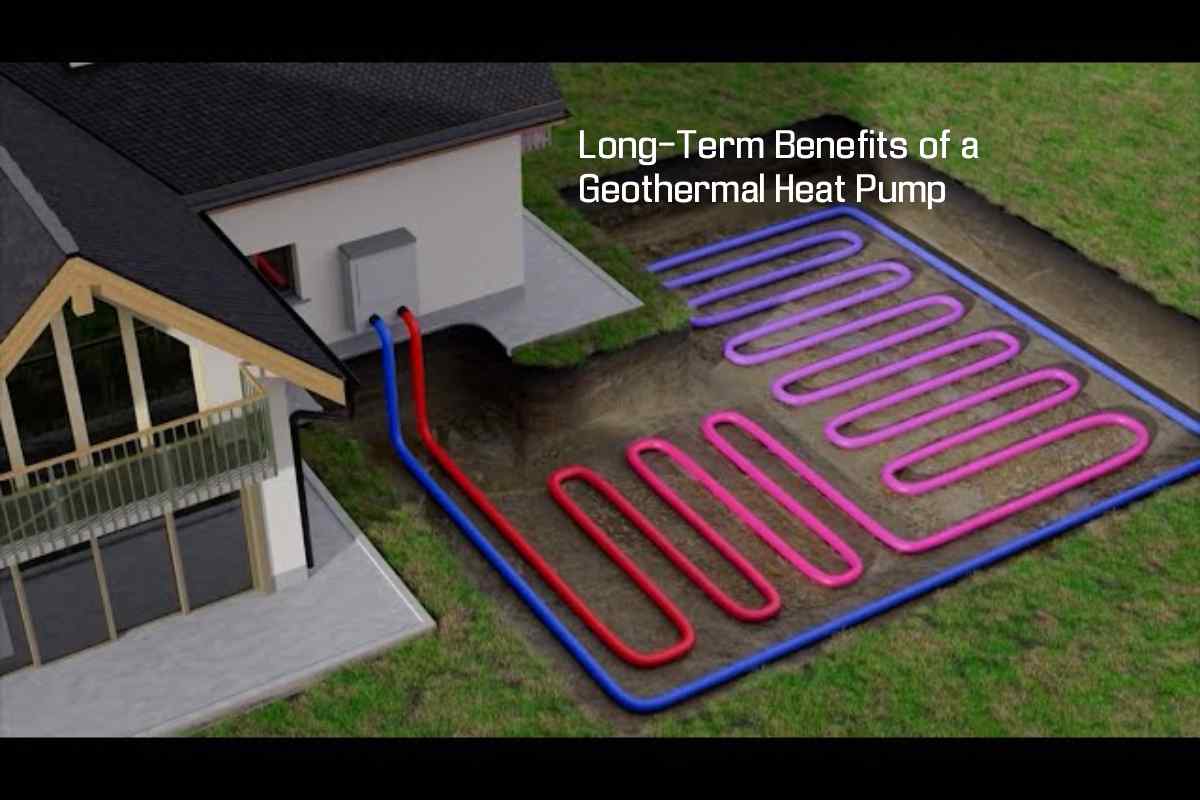
Enter the geothermal heat pump: the often-overlooked powerhouse that delivers quiet comfort, impressive durability, and a serious nod to sustainability. For homeowners looking beyond short-term fixes, geothermal isn’t just an upgrade—it’s a long-term investment in comfort and conscience.
Let’s dig into what makes it worth the switch.
1. Durability That Pays You Back (Year After Year)
Most HVAC systems have a shelf life of 10 to 15 years. Maybe less if you’re unlucky. But a properly installed geothermal heat pump? You’re looking at 20 to 25 years for the indoor unit—and up to 50 years for the ground loop system.
That’s not just long-lasting. That’s legacy-level reliability.
Why it lasts:
- Fewer moving parts than traditional HVAC systems
- Protected underground components (away from weather damage)
- Lower risk of wear and tear from temperature extremes
Translation: fewer repairs, fewer replacements, and fewer headaches over time. While the upfront cost may be higher than standard systems, the extended lifespan shifts the economics firmly in your favor.
2. Whisper-Quiet Operation That Doesn’t Steal the Spotlight
Ever had to raise your voice over your furnace kicking on? Or found yourself pausing a conversation when the AC rattles to life?
Geothermal heat pumps operate in near silence. No outdoor compressor chugging along in the backyard. No sudden bangs or clunks at night. Just steady, quiet comfort—like background music you don’t even notice until it’s gone.
Why it’s quieter:
- The system pulls heat from stable underground temps, not fluctuating outdoor air
- No noisy fans or exposed machinery battling the elements
- Indoor units are insulated and vibration-free
Whether you work from home, have small kids, or just enjoy your peace and quiet, it’s a noticeable difference you’ll appreciate every day.
3. Sustainability Without Sacrifice
Let’s get real: many “green” technologies come with trade-offs. Less performance. Higher costs. More complexity.
Not geothermal.
A geothermal heat pump uses the steady temperature below the earth’s surface to heat and cool your home, drastically reducing reliance on fossil fuels or grid energy. According to the U.S. EPA, geothermal systems can reduce energy consumption and emissions by up to 44% compared to air-source heat pumps—and up to 72% compared to standard electric resistance heating.
Why it’s sustainable:
- Utilizes renewable thermal energy from the earth
- Reduces your carbon footprint by lowering electricity demand
- Qualifies for tax credits and rebates in many areas
In short, it’s one of the rare systems that’s good for your home, your wallet, and the planet.
4. Stable Efficiency, Season After Season
Traditional HVAC systems lose efficiency when the weather gets extreme. Geothermal systems? They thrive on consistency.
Because underground temperatures remain stable year-round (around 50–60°F), your heat pump doesn’t have to work as hard in summer or winter. That means:
- Lower energy bills
- Fewer emergency calls
- More predictable comfort
Over time, those savings add up—and make a real dent in long-term operating costs.
Final Thought: A Smarter Kind of Comfort
Choosing a geothermal heat pump isn’t just about this winter or next summer. It’s about investing in technology that will quietly serve your home for decades—with less noise, less waste, and less stress.
If you’re planning to stay in your home long-term—or want to boost its resale value with energy-smart features—this is one system that more than pays for itself.
Because smart homeowners don’t just think about today. They plan for 20 years from now.