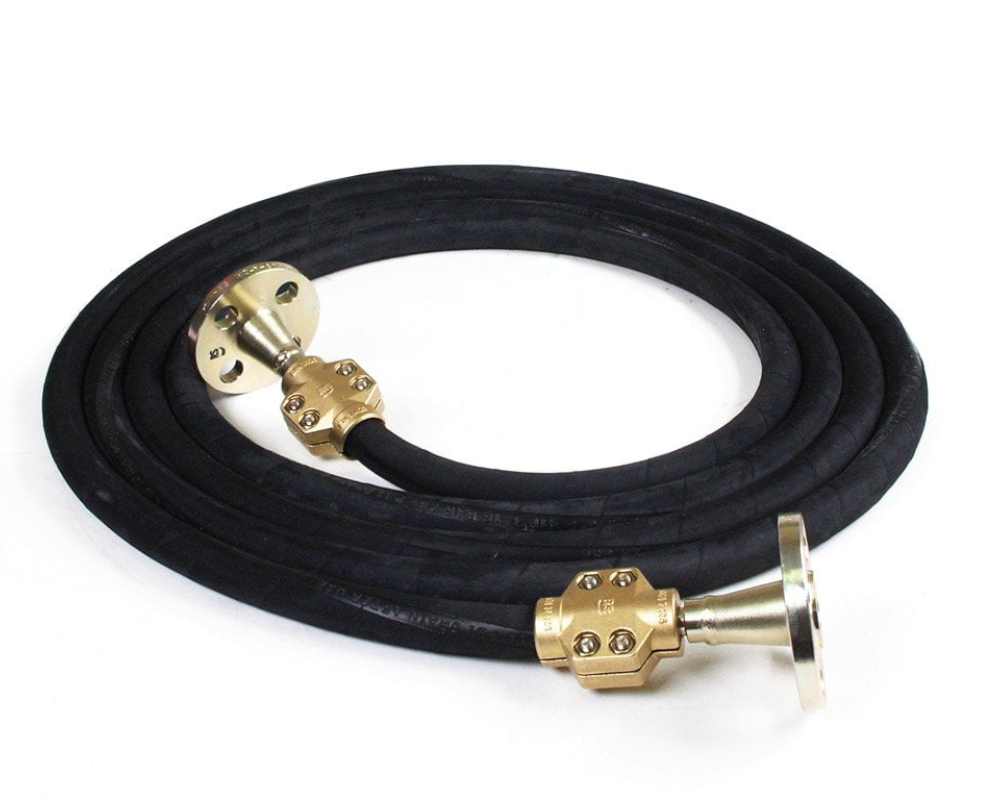
Steam Hoses in Modern Industries
Steam hoses have been utilized in industrial processes for a long time now, to transfer steam at high temperatures and pressures which is a part of most of these processes. Traditionally, the hoses were used for cleaning, heating or transfer of energy from one point to another. But now with advancement in technology and evolution of industry requirements these hoses are being employed in non traditional usage in various industries.
Steam hoses have evolved from simple steam-transfer conduits into precision-engineered components that support high-efficiency, hygienic, and sustainable industrial operations. Advances in materials science, automation, and energy systems have expanded their role across food processing, pharmaceuticals, construction, and renewable energy sectors.
Key Industrial Drivers Behind Steam Hose Innovation
-
Rising demand for process automation and precision control
-
Stricter health, safety, and regulatory compliance
-
Shift toward renewable and sustainable energy systems
-
Need for flexible, high-temperature-resistant components
-
Integration of Industry 4.0 and smart monitoring systems
Industry-Wise Applications of Steam Hoses
1. Food Processing & Packaging Industry
Primary Uses
-
Sous-vide cooking systems
-
Steam-assisted sealing and packaging
-
Industrial blanching and pasteurization
Benefits
-
Uniform heat distribution
-
Preservation of nutrients and food texture
-
Reduced dependency on chemical preservatives
-
Improved hygiene and production efficiency
Operational Impact
-
Enables large-scale adoption of precision cooking
-
Enhances shelf life and product consistency
2. Pharmaceutical & Biotechnology Industry
Sterilization & Sanitation
-
Clean-in-place (CIP) and sterilize-in-place (SIP) systems
-
Cleanroom equipment sterilization
-
Vaccine and injectable drug manufacturing
Manufacturing Precision
-
Temperature control during:
-
Lyophilization (freeze-drying)
-
Chemical synthesis
-
Moisture-sensitive drug formulation
-
Regulatory Advantages
-
Eliminates chemical residues
-
Supports GMP, FDA, and WHO compliance
-
Minimizes contamination risks
3. Renewable Energy Sector
Enhanced Geothermal Systems (EGS)
-
Steam hoses transport high-temperature steam from underground reservoirs
-
Connect geothermal wells to turbines
-
Handle extreme pressure and thermal fluctuations
Biomass Power Plants
-
Transfer steam generated from organic combustion
-
Support turbine-driven electricity generation
-
Withstand corrosive by-products and fluctuating loads
Sustainability Impact
-
Improves energy conversion efficiency
-
Supports scalable green power solutions
-
Reduces fossil fuel dependency
Material & Design Innovations in Steam Hoses
Common Advanced Materials Used
| Material Type | Key Properties | Typical Applications |
|---|---|---|
| PTFE (Teflon) | Chemical resistance, high temp tolerance | Pharma, chemicals |
| Silicone | Flexibility, food-grade safety | Food processing |
| Steel-reinforced rubber | Pressure resistance, durability | Energy, heavy industry |
| Hybrid composites | Strength + flexibility | Robotics, automation |
Design Enhancements
-
Multi-layer reinforcement for pressure stability
-
Lightweight construction for easy handling
-
Abrasion-resistant outer covers
-
Anti-kink and anti-collapse structures
Comparative Table: Traditional vs Modern Steam Hose Applications
| Aspect | Traditional Use | Modern Use |
|---|---|---|
| Function | Basic steam transfer | Precision temperature control |
| Industries | Manufacturing, cleaning | Pharma, food, renewables |
| Materials | Rubber-based | PTFE, silicone, composites |
| Monitoring | Manual inspection | Sensor-enabled, smart hoses |
| Safety | Moderate | High, compliance-driven |
Controlled Steam Injection in the Construction of the Drug
When it comes to the manufacture of drugs, hydration valves supplied with steam operatives control temperature for individual stages of manufacturing processes, for instance, during lyophilisation where heat inactivated compounds can be preserved in a dry form and without moisture which may be detrimental to the active components.
Steam is used in the synthesis of chemicals and thus promotes controlled reactions in the development of some drugs.Steam hoses are important as they preserve the fragile equilibrium required to manufacture pharmaceutical products. Accuracy and consistency are factors that are crucial.
Enhanced Geothermal Systems (EGS)
Geothermal energy is an energy source that utilizes steam as the heat transfer medium. In Enhanced geothermal systems, steam under high temperature sourced from the depths of Earth’s crust is delivered to the turbines by the hose. This type of structure has been found as the best for these purposes due to their high heat and pressure resistance properties.
It can be seen that steam hoses allow to scale embedded geothermal energy systems thus enabling seamless embedding of GSHPs into more extensive energy systems. This affirms the fact that geothermal power plants are dependable and can handle the growing need for green energy.
Role of Steam Hoses in Automation & Robotics
-
Flexible steam delivery in automated production lines
-
Compatible with robotic arms and movable machinery
-
Supports repetitive, high-precision industrial tasks
-
Reduces downtime due to easier repositioning
Emerging Trends & Future Outlook
Smart Steam Hose Technology
-
Embedded sensors for:
-
Temperature monitoring
-
Pressure fluctuations
-
Wear and tear detection
-
-
Predictive maintenance using real-time data
-
Reduced unplanned downtime
Next-Generation Materials
-
Metal-rubber hybrid hoses
-
Improved resistance to fatigue and deformation
-
Longer service life in extreme environments
Expansion into New Industries
-
Semiconductor manufacturing
-
Advanced robotics
-
Hydrogen and alternative energy systems
Key Advantages of Modern Steam Hoses
-
High thermal and pressure resistance
-
Enhanced operational safety
-
Compliance with global industrial standards
-
Improved energy efficiency
-
Adaptability to unconventional applications
Conclusion
Steam hoses are no longer passive industrial accessories—they are critical enablers of precision, safety, and sustainability. Their innovative applications across food processing, pharmaceuticals, and renewable energy demonstrate how material science and smart technologies are reshaping industrial infrastructure. As industries continue to prioritize efficiency and environmental responsibility, steam hoses will remain a foundational component of modern industrial systems.