The Shift Towards Data-Driven Recruitment
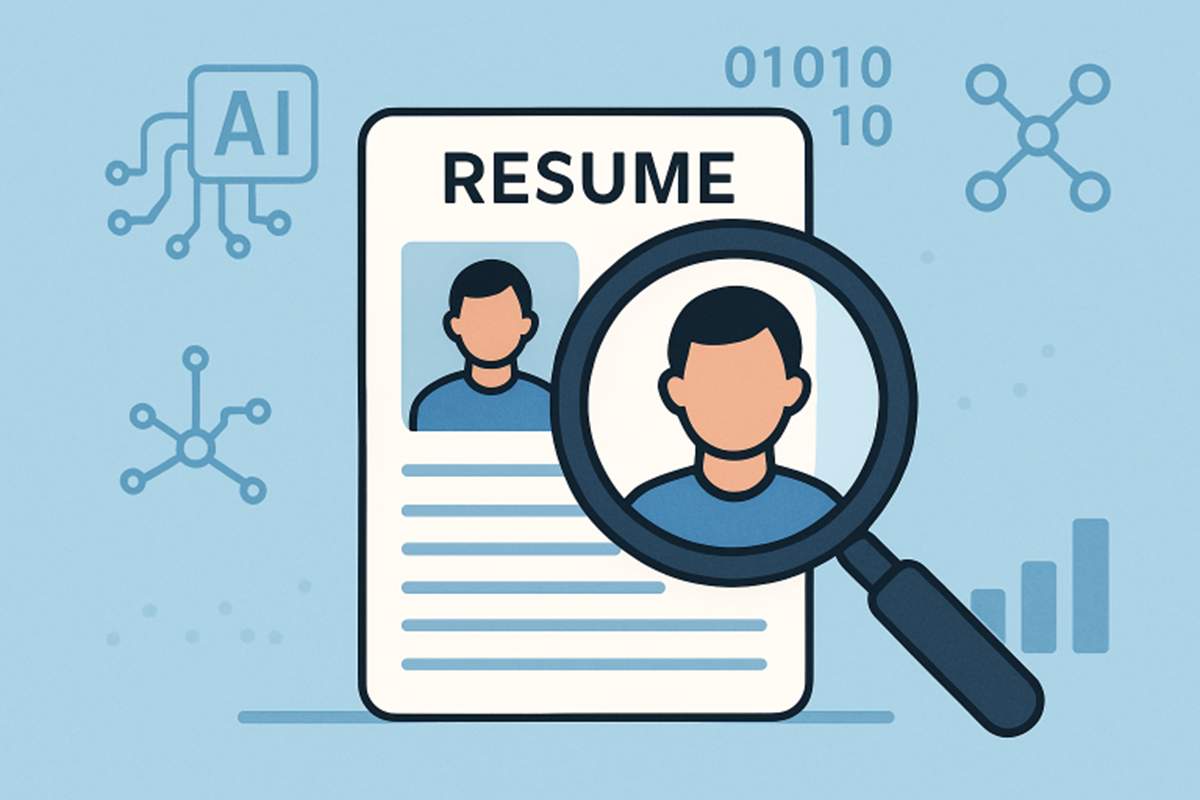
As the landscape of work continues to evolve, organizations are increasingly embracing data-driven approaches to recruitment to gain a competitive edge. By integrating advanced analytics and artificial intelligence into their hiring processes, companies are finding new ways to reduce inefficiencies, minimize unconscious bias, and improve overall outcomes for both employers and candidates. Today’s market offers a range of innovative software for recruitment, which enables HR teams to analyze candidate data and identify the best fit for each role with greater accuracy and fairness.
The movement towards data-driven hiring stems from a growing recognition that traditional methods can be both subjective and limiting. By using data as a foundation for decisions, organizations not only enhance the quality of their hires but also create a more inclusive candidate experience. Cutting-edge recruitment technologies allow companies to sift through large volumes of applications efficiently, ensuring the right talent doesn’t slip through the cracks.
AI and Machine Learning in Talent Acquisition
Artificial intelligence and machine learning are rapidly transforming how employers attract and assess candidates. AI-powered tools can automate time-consuming tasks, such as resume screening, enabling recruiters to focus on more strategic aspects of talent acquisition. These technologies also help identify meaningful patterns in vast datasets, such as predicting a candidate’s potential job performance or cultural fit based on historical data.
For example, machine learning algorithms can rapidly compare résumés to job descriptions, rank applicants, and even conduct preliminary interviews through natural language processing chatbots. This enhanced efficiency doesn’t just save time but also enables recruiters to access a broader pool of talent, ultimately increasing the likelihood of placing candidates who thrive in their roles.
Adopting objective, data-backed methods reduces human error and the influence of unconscious bias, a point emphasized by studies in The Harvard Business Review, which note the growing importance of evidence-based recruitment practices for future-ready HR teams.
Embracing Skills-Based Hiring
A significant trend in data-driven hiring is the shift away from traditional qualifications towards skills-based assessments. This approach empowers organizations to prioritize actual competencies, ensuring candidates can perform required tasks regardless of their academic history or previous employers. As a result, employers are beginning to see value in a broader range of applicants, including those from non-traditional backgrounds or those who have gained expertise through self-study and hands-on experience.
Research examining UK job vacancies between 2018 and mid-2024 found a 21% increase in demand for AI-related roles, while mentions of mandatory university degrees in these listings declined by 15%. This highlights how focusing on practical skills rather than institutional pedigree can foster diversity and create new pathways for talent, addressing both skills shortages and the need for more inclusive workplaces.
AI-Powered Tools Enhancing Recruitment
The introduction of AI-powered recruitment tools is streamlining every stage of the hiring journey. Chatbots can engage with applicants instantly, answering common questions, facilitating assessments, and scheduling interviews; all without the need for human intervention. Such automation not only speeds up the process, reducing the time-to-hire, but also offers a more responsive and accessible experience for candidates.
Modern AI solutions can even identify overlooked talent within an organization’s existing applicant database. By rediscovering highly-qualified candidates for newly available roles, these systems ensure top talent is not missed simply because they were not the perfect fit for previous job openings. According to McKinsey, the adoption of AI in HR may lead to measurable improvements in sourcing, screening, and onboarding, directly impacting talent retention and business outcomes.
Addressing Bias in AI-Driven Hiring
Despite the benefits that AI offers, it’s crucial to recognize and proactively address potential biases inherent in algorithmic decision-making. Studies have shown that AI models can inadvertently amplify biases in their training datasets, leading to discriminatory hiring outcomes. Implementing counterfactual-based fairness frameworks and regularly auditing AI systems for unintended bias can mitigate these risks and help organizations create fairer hiring processes.
Transparent policies, ethical AI training, and consistent data governance are essential for ensuring that technology-driven recruitment does not reinforce existing disparities, but rather fosters a more equitable workforce.
The Role of Data Engineers in AI Success
The success of data-driven recruitment depends not only on innovative AI models but also on the infrastructure that supports them. Robust data engineering is key; without clean, accurate, and well-governed data, even the most sophisticated AI systems can fail to deliver reliable insights. A recent industry report found that over 80% of AI projects falter due to poor data quality or inadequate governance, underscoring the critical need for skilled data engineers working alongside AI specialists.
Organizations investing in both data science and engineering can ensure the longevity and effectiveness of their AI initiatives, maximizing return on investment and supporting better talent decisions.
Future Outlook: AI’s Impact on Employment
As AI becomes further entrenched in recruitment, its impact on the workforce will be twofold: automating repetitive processes and creating entirely new roles. The World Economic Forum predicts that by 2030, AI will displace 92 million jobs while simultaneously creating 170 million new ones across various industries, resulting in a net increase of 78 million jobs.
This evolution will require workers and employers alike to commit to continuous learning, agility, and upskilling to thrive in a technology-driven landscape. Ultimately, AI-powered hiring solutions promise to make recruitment more agile, inclusive, and data-centric. Organizations that embrace this change not only adapt to the realities of a modern workplace but also position themselves as leaders in the future of work.
Conclusion
Data-driven hiring, underpinned by AI and machine learning, is fast becoming the gold standard for organizations striving for efficiency, fairness, and innovation in recruitment. Prioritizing skills, harnessing advanced technology, and actively addressing algorithmic bias can set organizations apart in the search for top talent. As digital transformation accelerates, those who remain adaptable and informed will be best equipped to navigate and shape the workforce of tomorrow.