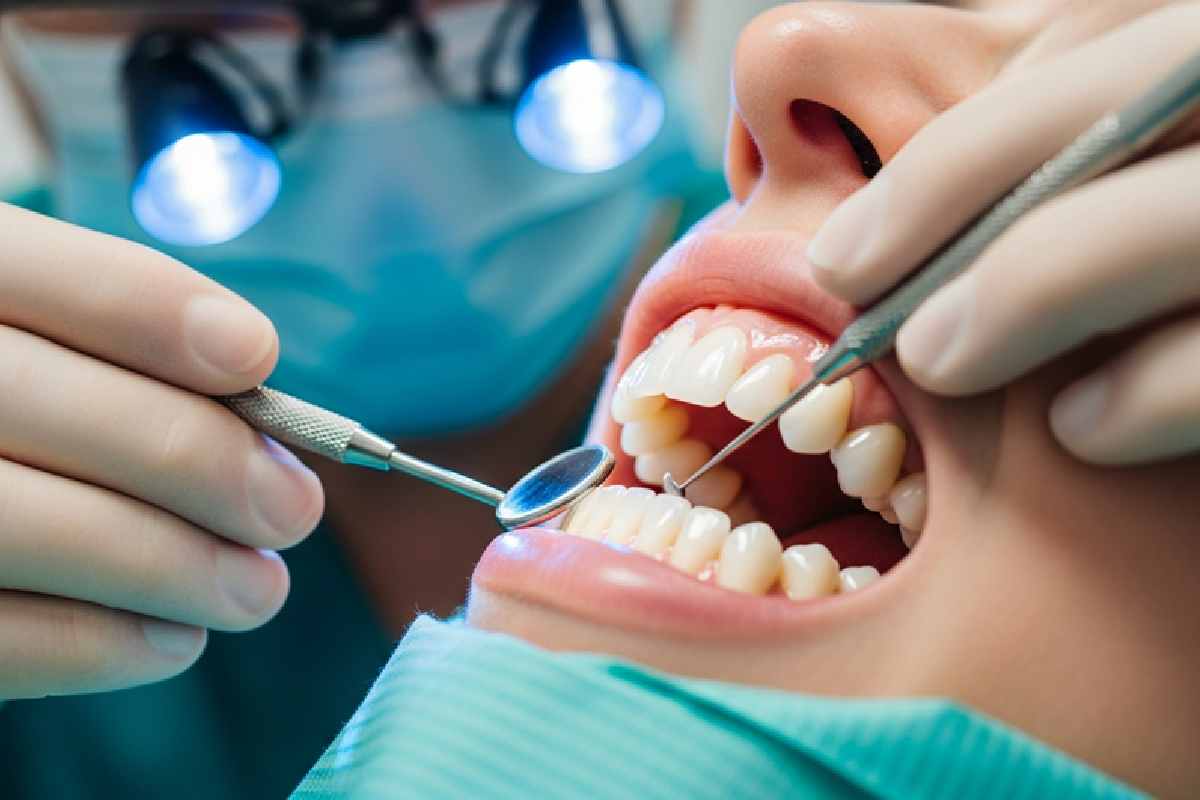
Achieving a healthy, confident smile requires more than routine brushing and flossing. Modern dentistry offers advanced solutions that not only enhance appearance but also strengthen and protect teeth over the long term. From correcting alignment issues to restoring damaged tooth structure, today’s dental treatments are designed to support both function and aesthetics in a balanced way.
When exploring restorative solutions, dental crowns in Dubai often stand out as a preferred option for protecting weakened teeth while maintaining a natural look. Combined with alignment-focused treatments, these approaches help individuals improve oral health, prevent future complications, and enjoy long-lasting dental comfort and confidence.
Understanding Dental Crowns
Dental crowns play a vital role in restorative dentistry by reinforcing teeth that are damaged, worn, or structurally compromised. They are custom-designed to fit over an existing tooth, restoring its shape, strength, and functionality while blending seamlessly with natural teeth.
● What Dental Crowns Are
A dental crown is a protective cap placed over a prepared tooth to restore its original form and function. Made from materials such as porcelain, ceramic, metal, or zirconia, crowns are designed to fully cover the visible portion of a tooth. This full coverage helps protect against further damage while allowing normal chewing and speaking.
● Why Dental Crowns Are Recommended
Crowns are commonly used when a tooth has extensive decay, cracks, or has undergone root canal treatment. They prevent further deterioration, reduce sensitivity, and restore bite strength. Crowns are also placed on dental implants to replace missing teeth, offering stability and long-term durability.
● Key Benefits of Dental Crowns
Dental crowns provide structural protection, enhance tooth appearance, and restore proper chewing ability. A well-crafted crown can last many years with proper care, making it a reliable long-term solution. Their ability to match natural tooth color ensures a discreet and aesthetically pleasing result.
● Types of Dental Crowns Available
There are several crown materials available to suit different needs. Porcelain and ceramic crowns are ideal for front teeth due to their natural appearance. Metal and porcelain-fused-to-metal crowns offer strength for back teeth, while zirconia crowns combine durability with excellent aesthetics.
● The Crown Placement Process
The crown procedure typically involves two visits. During the first visit, the tooth is shaped and impressions are taken. A temporary crown protects the tooth while the permanent one is created. At the second visit, the final crown is placed, adjusted, and securely bonded for comfort and functionality.
● Caring for Dental Crowns
Maintaining crowns requires regular brushing, flossing, and routine dental checkups. Avoiding hard foods and habits like teeth grinding helps extend crown lifespan. With proper oral hygiene, crowns can remain strong and functional for many years.
Exploring Teeth Alignment Treatments
Teeth alignment treatments are designed to correct misaligned teeth and bite issues, improving both oral health and smile aesthetics. Proper alignment makes daily cleaning easier and reduces the risk of uneven wear, gum disease, and jaw discomfort.
● What Dental Braces Do
Dental braces work by applying controlled pressure to move teeth into their correct positions over time. Brackets and wires guide gradual movement, addressing overcrowding, gaps, and bite irregularities. This process improves overall dental balance and function.
● Different Types of Braces
Several orthodontic options are available, including traditional metal braces, ceramic braces that blend with tooth color, and clear aligner systems. Each option suits different alignment needs, aesthetic preferences, and lifestyle considerations.
● Advantages of Teeth Alignment
Aligned teeth improve bite function, reduce abnormal tooth wear, and support better oral hygiene. Proper alignment also enhances facial symmetry and smile confidence, contributing to both dental health and self-esteem.
● Treatment Duration and Planning
The length of orthodontic treatment varies depending on alignment complexity. Some cases require months, while others take a few years. Regular follow-up visits ensure progress stays on track and adjustments are made for optimal results.
● Oral Care During Alignment Treatment
Maintaining excellent oral hygiene is essential during alignment treatment. Brushing after meals, flossing carefully, and avoiding sticky or hard foods help protect appliances and prevent plaque buildup throughout the treatment period.
● Retention After Alignment
Once alignment treatment is complete, retainers are used to maintain results. Wearing retainers as advised prevents teeth from shifting back and ensures long-term stability of the corrected smile.
Combining Restoration and Alignment for Complete Care
Restorative and alignment treatments serve different purposes but work best together when planned strategically. Combining both approaches ensures that teeth are not only straight but also strong and well-protected.
● Functional and Aesthetic Balance
Restorative treatments focus on repairing damaged teeth, while alignment treatments optimize positioning. Together, they create a balanced smile that functions efficiently and looks natural.
● Coordinated Treatment Planning
In some cases, alignment treatment is completed before restorative work to ensure proper spacing. In other situations, crowns may be placed first to protect weakened teeth. Coordinated planning ensures safe and effective outcomes.
● Timing Matters
Proper sequencing of treatments prevents complications and enhances durability. Dentists and orthodontists work together to determine the most suitable order for alignment and restoration based on individual needs.
● Long-Term Dental Stability
When both alignment and restoration are completed correctly, patients benefit from improved bite function, reduced dental stress, and long-lasting oral health stability.
● Enhanced Patient Confidence
Patients often experience increased comfort, improved chewing ability, and greater confidence after completing comprehensive dental care. A healthy smile positively impacts daily life and overall wellbeing.
Final thoughts
Comprehensive dental care that combines alignment and restoration is essential for achieving lasting oral health and confidence. Choosing the best dental braces helps correct misalignment, improve bite function, and support better oral hygiene, while restorative solutions such as dental crowns strengthen and protect damaged teeth. When both treatments are planned together, they create a balanced smile that looks natural and performs efficiently over time. This integrated approach minimizes future dental issues and enhances long-term stability. With expert diagnosis, modern technology, and patient-focused care, individuals can enjoy durable and aesthetic results. For professional dental solutions and personalized treatment plans, Queens Medical Center offers advanced care designed to support healthy, confident smiles for the long run.