Gold has crossed record highs in recent years. So, more everyday investors are paying attention.
According to research by the World Gold Council, global bar and coin demand reached 1,374 tonnes in 2025, one of the strongest years on record. When numbers like that climb, it usually means regular people are looking for ways to protect their savings.
Bullion coins sit right at the center of that trend. They are simple, tangible, and easy to understand. Knowing how they work helps you decide if they belong in your portfolio.
Defining Bullion Coins
Bullion coins are government-minted coins made primarily for investment. Their value comes mostly from the precious metal inside, not from rarity or collectible appeal.
Most bullion coins are struck in gold, silver, platinum, or palladium. Each coin contains a specific weight and purity, such as one troy ounce of .999 fine gold. Pricing follows the live metal market, plus a small premium for minting and distribution.
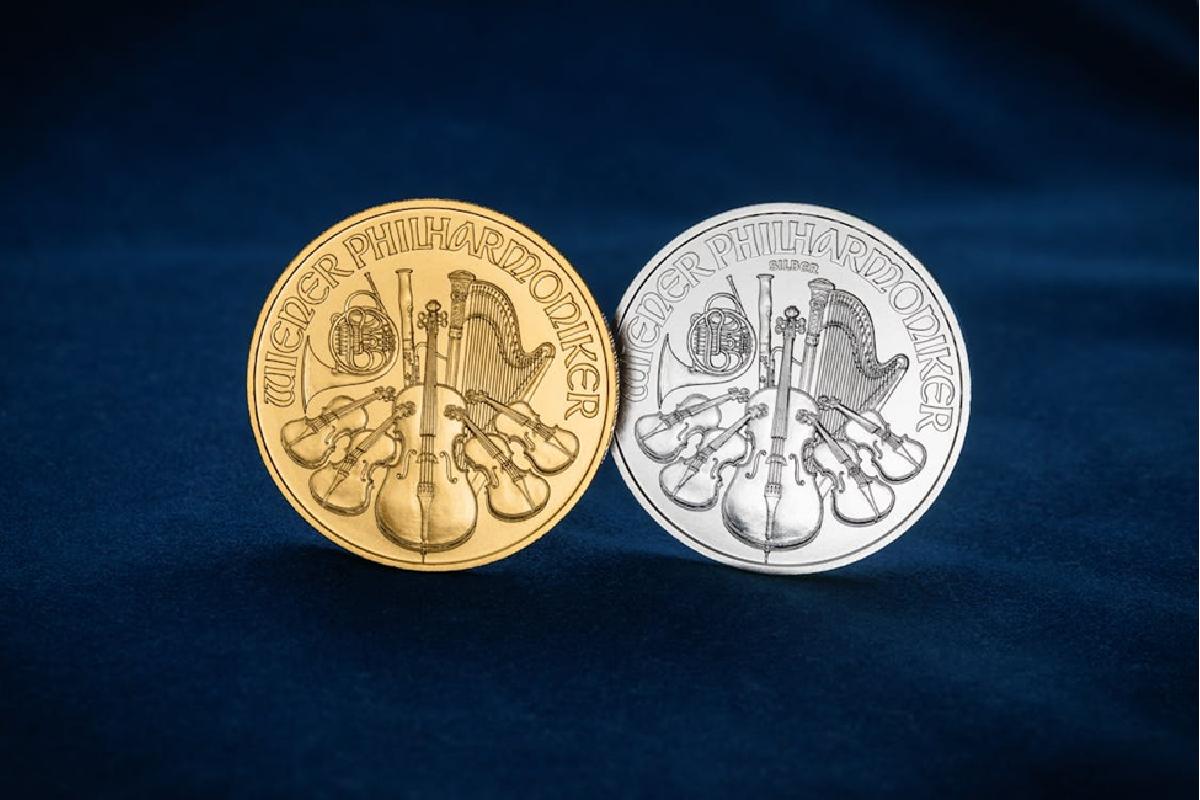
Unlike rare coins, bullion coins are not about condition grades or historical value. Buyers focus on metal content, liquidity, and trust in the issuing mint. Popular examples include the American Gold Eagle, Canadian Maple Leaf, and Austrian Philharmonic.
Why Investors Buy Bullion Coins
In a report highlighted by the Associated Press, gold prices surged past $4,300 per ounce in October, 2025, during periods of global instability. Moves like that often spark interest from investors who want something outside the stock market.
Economic uncertainty has pushed many people to rethink where they store wealth. Bullion coins offer several practical advantages, such as:
- Direct ownership of physical precious metal
- High liquidity in global markets
- Recognized designs backed by sovereign mints
Physical ownership appeals to people who prefer assets they can hold. Liquidity matters because widely recognized coins are easier to sell when needed. Government backing adds a layer of confidence that privately minted rounds may not provide.
Hedge Against Inflation and Market Volatility
Precious metals have historically moved independently from stocks and bonds. During inflation spikes or market pullbacks, gold often attracts new buyers.
Diversifying into bullion coins can reduce overall portfolio risk. Even a modest allocation may help smooth long-term performance during turbulent years.
Portfolio Diversification Without Complexity
Bullion coins are straightforward. No earnings reports, no quarterly calls, and no complex derivatives.
Investors who want a simple diversification tool often appreciate that clarity. Metal weight and purity remain constant, and pricing follows transparent global markets.
Who Should Consider Buying Bullion Coins
Bullion coins are not a one-size-fits-all solution. Certain types of investors, however, tend to benefit most from holding them.
Long-term savers who want a tangible hedge often find bullion coins appealing. Retirement-focused investors sometimes allocate a portion of assets to physical gold for balance.
Individuals concerned about currency risk may also view precious metals as a store of value.
New investors can start small with fractional coins. Larger investors often choose full one-ounce coins for lower premiums per ounce. Anyone interested in physical gold should also think about storage, insurance, and security before buying.
Investors Seeking Recognized and Trusted Options
Recognition plays a major role in resale value. Coins from well-known government mints are typically easier to trade worldwide.
For instance, many investors choose to invest in Gold Eagles because they are backed by the United States Mint and contain guaranteed gold content.
American Gold Eagles are available in several sizes, including one-ounce, half-ounce, quarter-ounce, and tenth-ounce options. Flexibility like that allows buyers to match purchases to their budget.
Investors Who Value Liquidity
Selling bullion coins is usually straightforward. Reputable dealers, online platforms, and local coin shops regularly trade popular government-minted coins.
High recognition reduces friction when it is time to convert metal back into cash. Liquidity can be especially important during fast-moving markets.
How Bullion Coins Compare to Other Precious Metal Products
Bars, rounds, and exchange-traded funds all provide exposure to precious metals. Each option has trade-offs.
Bars often carry slightly lower premiums per ounce, especially in larger sizes. Storage can be less flexible, though, since large bars are harder to divide when selling. Privately minted rounds may cost less upfront but lack the same level of global recognition.
Exchange-traded funds track gold prices without requiring physical storage. Investors who prefer direct ownership, however, often choose bullion coins to eliminate counterparty risk.
Premiums and Pricing
Every bullion coin sells above the spot price of the metal. Premiums cover minting costs, distribution, and dealer margins.
Well-known coins tend to command stable premiums because demand remains consistent. Comparing premiums across products helps buyers understand the true cost per ounce.
What to Know Before You Buy
Precious metals can rise quickly, but they can also experience pullbacks. Short-term price swings are normal.
Storage decisions matter just as much as purchase timing. Some investors use home safes, while others prefer secure vault storage. Insurance coverage should also be part of the plan.
Working with a reputable dealer reduces the risk of counterfeit products. Transparent pricing, clear buyback policies, and published premiums signal professionalism.
Making Bullion Coins Part of Your Investment Strategy
Bullion coins offer a direct way to own precious metals without complicated structures. Demand trends reported by the World Gold Council show that many investors continue turning to bars and coins during uncertain times. Strong interest often reflects a desire for stability and control.
Adding bullion coins to a portfolio depends on your goals, risk tolerance, and time horizon. Investors who value tangible assets, liquidity, and long-term diversification may find bullion coins a practical fit.
If this article was helpful, check out some of our other insightful content!