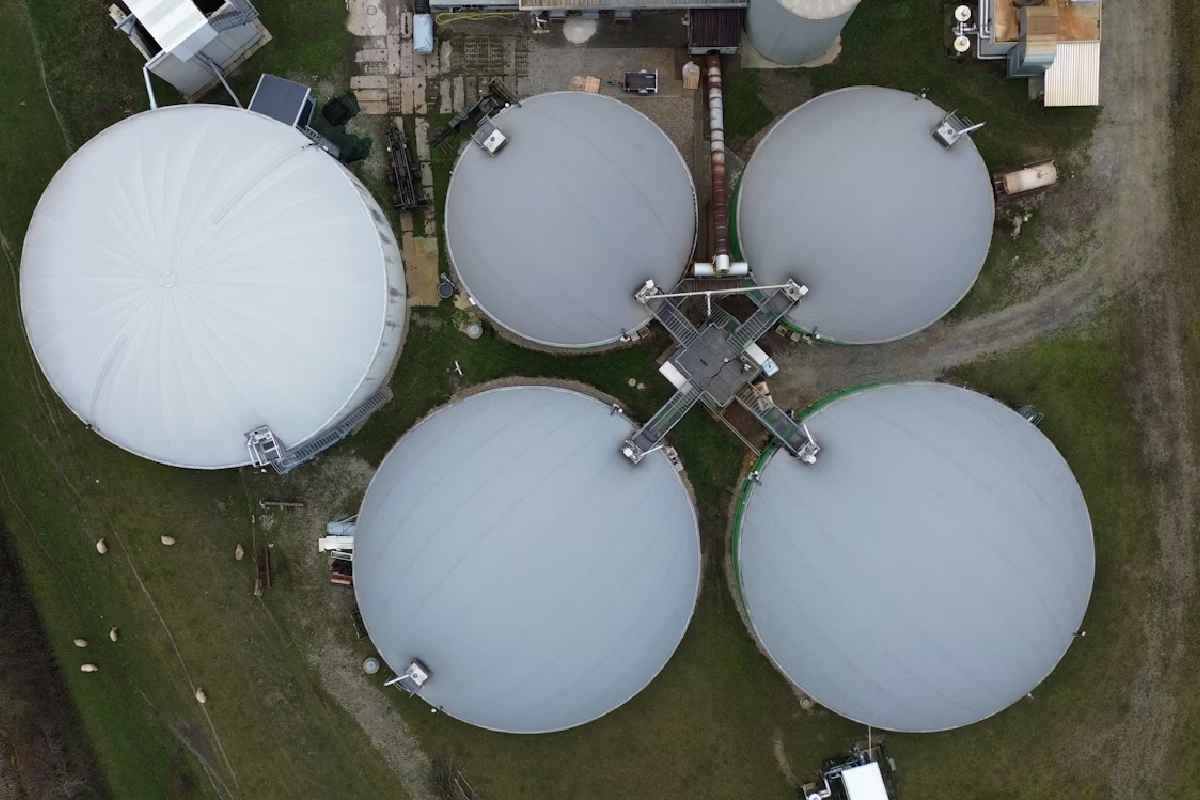
In the rapidly growing field of renewable energy, biogas plants have emerged as a viable and sustainable solution. One of the critical components of these plants is the membrane cover, which plays a vital role in the efficiency and functionality of the biogas production process. There are different types of membrane covers, each with its unique features and benefits. This article explores the importance of membrane covers and the differences between single and double membrane covers.
Modern biogas plants require more than reliable membrane covers and efficient gas storage systems to maintain safe and consistent operations. Facility operators must also consider physical security, equipment monitoring, and controlled access to sensitive areas. Biogas production facilities may contain gas storage units, pressure regulation equipment, control panels, and other infrastructure that should only be accessed by authorized personnel. One approach to strengthening facility access management is implementing biometric security systems, which can use characteristics such as fingerprints or facial recognition to verify authorized users. When appropriately configured, biometric access controls may help facilities manage employee access to restricted areas and maintain records of entry activity. However, biometric authentication should be combined with other security measures, including appropriate safety procedures, emergency access arrangements, and protection of biometric information. Integrating physical security into broader facility management practices can support safer and more organized biogas plant operations.
The role of membrane covers in biogas plants
Membrane covers serve several essential functions in biogas plants. Primarily, they act as a barrier, containing the biogas produced during the anaerobic digestion process. This containment is crucial as it prevents the escape of methane, a potent greenhouse gas, into the atmosphere. Additionally, membrane covers help maintain the necessary environmental conditions within the digester, such as temperature and pressure, which are vital for optimal biogas production.
Biogas plants rely on a combination of specialized equipment, durable materials, and properly maintained infrastructure to support efficient energy production. While membrane covers help contain biogas and protect storage systems, other industrial components may be required for heating, cleaning, maintenance, and related operational processes. Steam-based systems are used in various industries where controlled heat transfer or equipment cleaning is necessary. Readers interested in understanding these applications can explore our guide to industrial steam hose applications. In facilities that use steam for suitable maintenance or processing activities, hoses must be selected according to operating temperature, pressure, material compatibility, and applicable safety requirements. Steam hoses should not be confused with gas-transfer hoses or assumed to be suitable for direct use with biogas. Understanding the functions of different industrial components can help facility operators make better equipment decisions and maintain appropriate safety standards.
Single membrane cover: simplicity and efficiency
A single membrane cover is a straightforward yet effective solution for biogas plants. It consists of a single layer of material, typically made from high-quality, UV-resistant polymers. The simplicity of its design makes it relatively easy to install and maintain, which can be beneficial for smaller biogas operations or those with limited resources. Despite its simplicity, a single membrane cover provides adequate protection and containment for the biogas, ensuring efficient operation of the plant.
Double membrane cover: enhanced performance
For biogas plants seeking enhanced performance and additional features, a double membrane cover offers a more sophisticated solution. This type of cover includes two layers of membrane material, creating an air space between them. This design not only improves insulation, helping to maintain a stable temperature within the digester, but also provides additional gas storage capacity. The outer membrane acts as a weatherproof barrier, while the inner membrane contains the biogas. This dual-layer system is particularly advantageous in larger biogas plants where efficiency and performance are paramount.
Choosing the right membrane cover for your biogas plant
When selecting a membrane cover for a biogas plant, several factors must be considered. The size and capacity of the plant, the local climate, and budget constraints all play a role in determining the most suitable cover. A single membrane cover may be ideal for smaller plants in moderate climates, offering a cost-effective solution without compromising on essential features. Conversely, a double membrane cover might be more appropriate for larger plants or those located in regions with extreme weather conditions, providing enhanced protection and performance.
As biogas facilities adopt digital monitoring and automated control technologies, reliable software becomes increasingly important for maintaining operational visibility and supporting equipment management. Modern industrial systems may use sensors, monitoring dashboards, and control software to track gas pressure, storage conditions, equipment performance, and other operational parameters. Testing these digital systems can help organizations identify software defects, verify expected functionality, and reduce the risk of unexpected failures. Readers interested in software quality assurance can explore our automation testing tools comparison to understand how different testing approaches may suit different software applications. Although general software testing tools are not substitutes for specialized industrial control system validation, automated testing can support the development of reliable monitoring dashboards and supporting applications. For safety-critical biogas operations, software testing should be complemented by appropriate engineering assessments, equipment inspections, and established operational safety procedures.