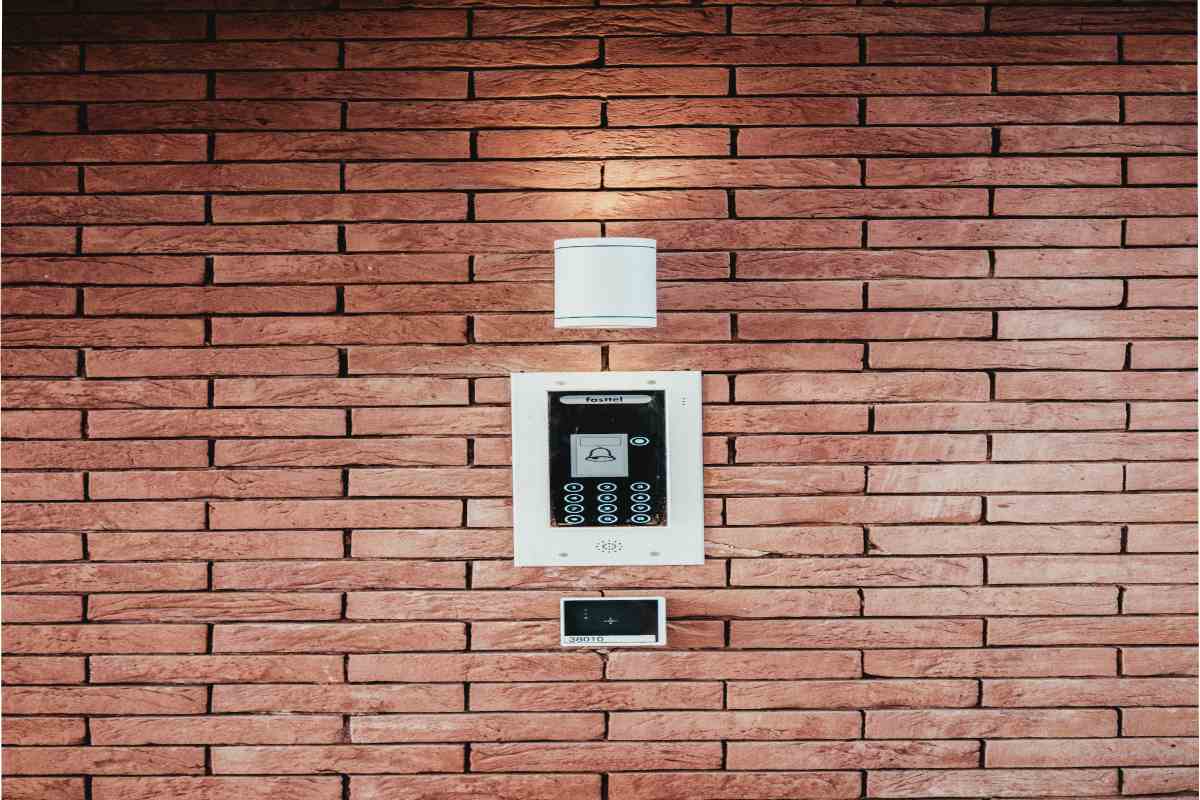
In today’s fast-paced business environment, ensuring the security of physical and digital assets is paramount. Access control is a critical component in safeguarding these assets. It involves regulating who can enter or use resources within a business setting. Effective access control not only protects sensitive information but also enhances operational efficiency by limiting access to authorized personnel only.
Key components of access control systems
Traditional access control systems typically consist of several key components: identification devices, authentication mechanisms, and access management software. Identification devices, such as keycards or biometric scanners, are used to recognize individuals. Authentication mechanisms verify the identity of these individuals, while access management software controls and monitors access points.
Benefits of access control security
Implementing access control security offers numerous advantages. It enhances security by preventing unauthorized access, thus reducing the risk of theft or data breaches. Moreover, it provides a detailed log of entry and exit times, which can be invaluable for audits and investigations. Additionally, access control systems can be integrated with other security measures, such as surveillance cameras, to create a comprehensive security strategy.
Transition to cloud based access control
As technology evolves, many businesses are transitioning to cloud based access control systems. These systems offer enhanced flexibility and scalability compared to traditional models. By leveraging cloud technology, businesses can manage access remotely, update permissions in real-time, and scale their security infrastructure as needed without significant capital investment.
Advantages of cloud based systems
Cloud based access control systems provide several benefits that are particularly appealing to modern businesses. They offer centralized management, allowing security personnel to oversee multiple locations from a single platform. This is particularly useful for businesses with geographically dispersed operations. Furthermore, these systems often come with automatic software updates, ensuring that security measures remain up-to-date without manual intervention.
Considerations for implementing access control
When implementing an access control system, businesses must consider factors such as the size of their operations, the sensitivity of the data they handle, and their budget constraints. It’s essential to choose a system that aligns with the specific security needs of the organization. Additionally, businesses should ensure that their chosen system is compliant with relevant regulations and standards to avoid legal complications.